Travel guide
Botswana
Know before you go: timing, entry, health, and logistics for Botswana.
- When to go
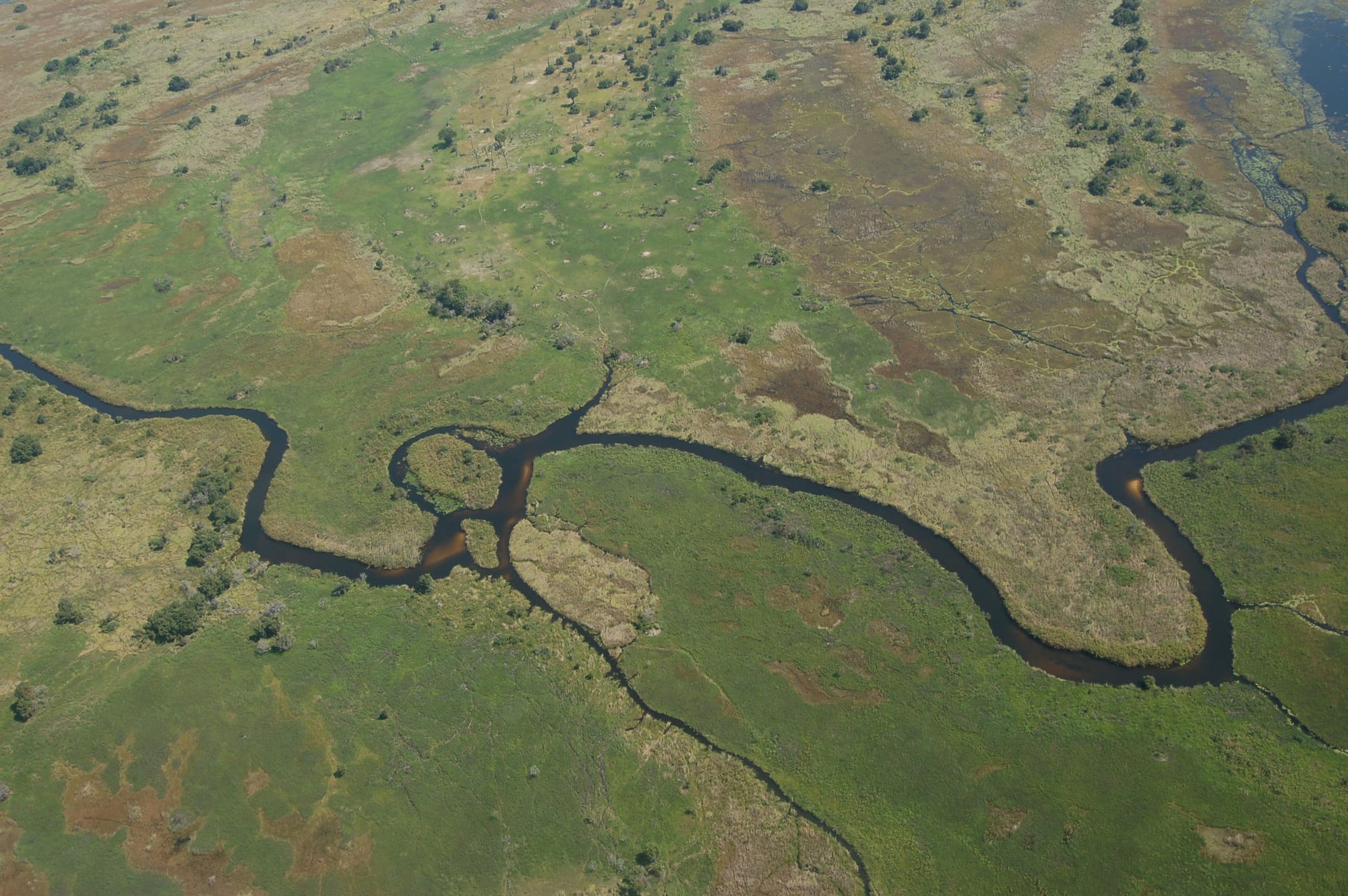
- The best time to visit is during the Dry Season from May to October. This period offers the best wildlife viewing as animals congregate around permanent water sources. June to August is peak flood season in the Okavango Delta, ideal for water-based safaris. The 'Green Season' (December to March) is excellent for birdwatching and newborn animals, though some remote areas may be inaccessible.
- Visa and entry
- Citizens of the United States and most European Union countries are visa-exempt for stays up to 90 days within a 12-month period. Passports must be valid for at least six months beyond the date of entry and contain at least three blank pages. An official e-visa portal is available for nationalities that do require a visa, with fees typically around 300 BWP (~$23 USD). Travelers with minors must carry a certified unabridged birth certificate.
- Health
- Routine vaccinations such as MMR, Diphtheria-Tetanus-Pertussis, and Polio are required. Hepatitis A and Typhoid are highly recommended for most travelers. A Yellow Fever vaccination certificate is mandatory if arriving from a country with risk of transmission. Malaria prophylaxis is strongly advised for those visiting northern regions like the Okavango Delta and Chobe, particularly during the wet season.
- Currency
- Botswana Pula (BWP)
- Language
- English and Setswana
- Getting around
- Internal travel is arranged for you: private guided road transfers and light-aircraft hops between parks and regions, with airport meet-and-greet throughout.